I love to peer through the veil via imagination and explore visions through art and illustration.
Latest Posts
Romeria is a place where the trees do not offer shelter, wisdom, or peace. They glow, lure, trap, poison, watch, and wait. From trunks filled with pink, Turkish-delight sap to hypnotic leaves hiding liquid pits, from judgmental eye-trees to gas-belching plant caves, this world’s flora is hostile, absurd, and darkly funny. These illustrations embrace the uncanny — childlike yet unsettling — making Romeria feel less like a fantasy setting and more like a place that simply doesn’t care if you survive it.
Romeria is an unfolding world revealed through image rather than explanation. These artworks form part of a developing book, exploring myth, ritual, chaos, and the sacred feminine through intuitive, AI-assisted visual creation.
The world of Romeria has begun to take form. What was once held only in vision and imagination is now developing through writing, illustration, map-making, and world-building, all unfolding together. The book is emerging as a collection of interwoven short stories, myths, folklore, and darker fragments, with Romeria moving through them as both creator and presence. This blog documents the early stages of that process — the point where ideas become scenes, images become places, and a world begins to reveal itself.
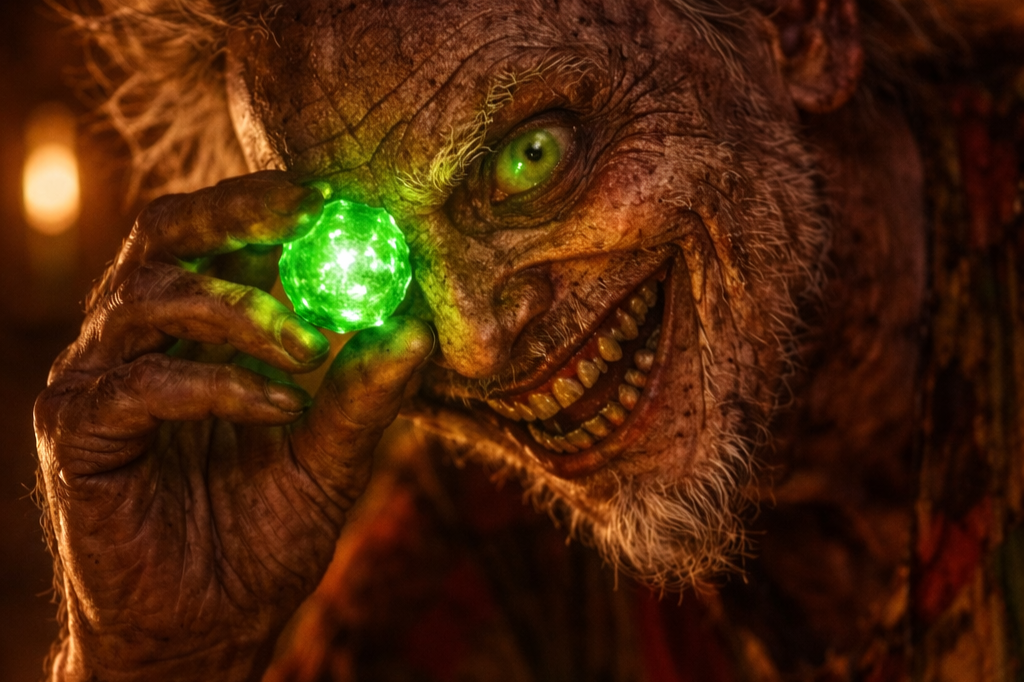
A vision of a giant standing in the way — awkward, obstructive, glowing-eyed, and shaped by forces beyond his understanding. This post explores one of the giants of Romeria and how visions, imagination, and worldbuilding continue to bring the realm into being.
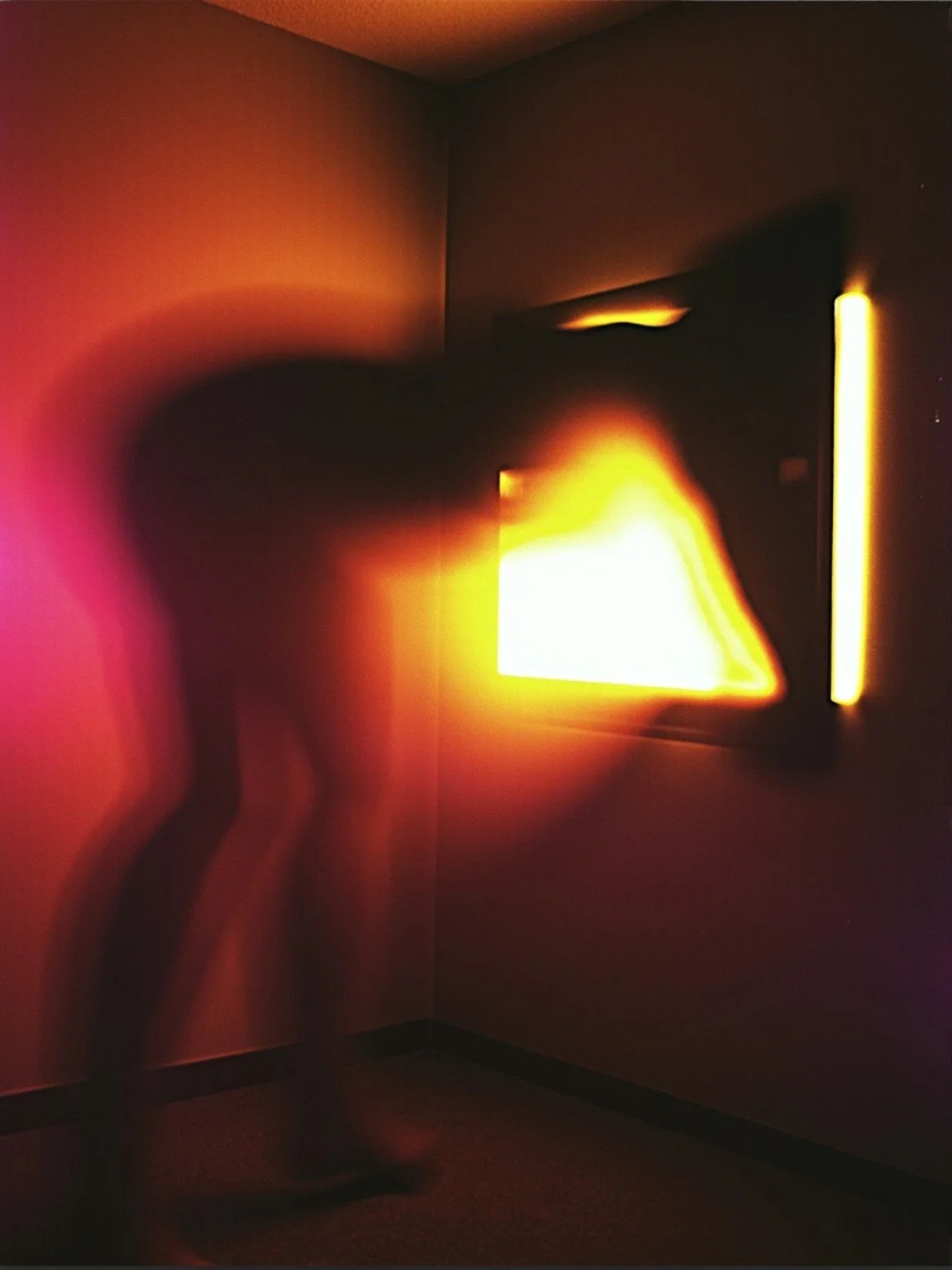
This photograph is not about screens or technology alone. It is about a quiet drift — a gradual movement away from inner substance and toward an exterior world that has become loud, saturated, and strangely hollow. The figure does not struggle against the light; it yields to it. And in that calm surrender lies the deeper question of our age: at what point does participation in the world become a form of disappearance?
This image did not arrive as an artwork, but as a residue of vision — a trace left behind by prolonged inner observation. It exists in a liminal state, somewhere between illumination and concealment, where light behaves like memory rather than exposure. The figure is not a body, but a threshold: perception opened, hollowed, and allowed to look inward upon itself. What emerges is an etheric architecture — neither symbolic nor mechanical — briefly stabilised within darkness, as if something forbidden has been quietly remembered rather than discovered.
The image did not arrive by intention, but through play. An anomaly produced by a ludic process, where control loosened just enough for something unfamiliar to surface. It feels like a selfie gone wrong — not a failure of technique, but a rupture in self-presentation itself. Light overwhelms structure, identity destabilises, and something usually kept hidden presses briefly into view. The photograph does not explain itself. It asks what happens when we stop turning away from the void.
A meditation on the loss of inner illumination in modern life. This essay explores exoteric flatness, the severing of inner worlds, and the gradual de-illumination of imagination, drawing on esoteric perception, childhood vision, and the condition of a world lived entirely on the surface.