
On Being an Unbounded Imagination.
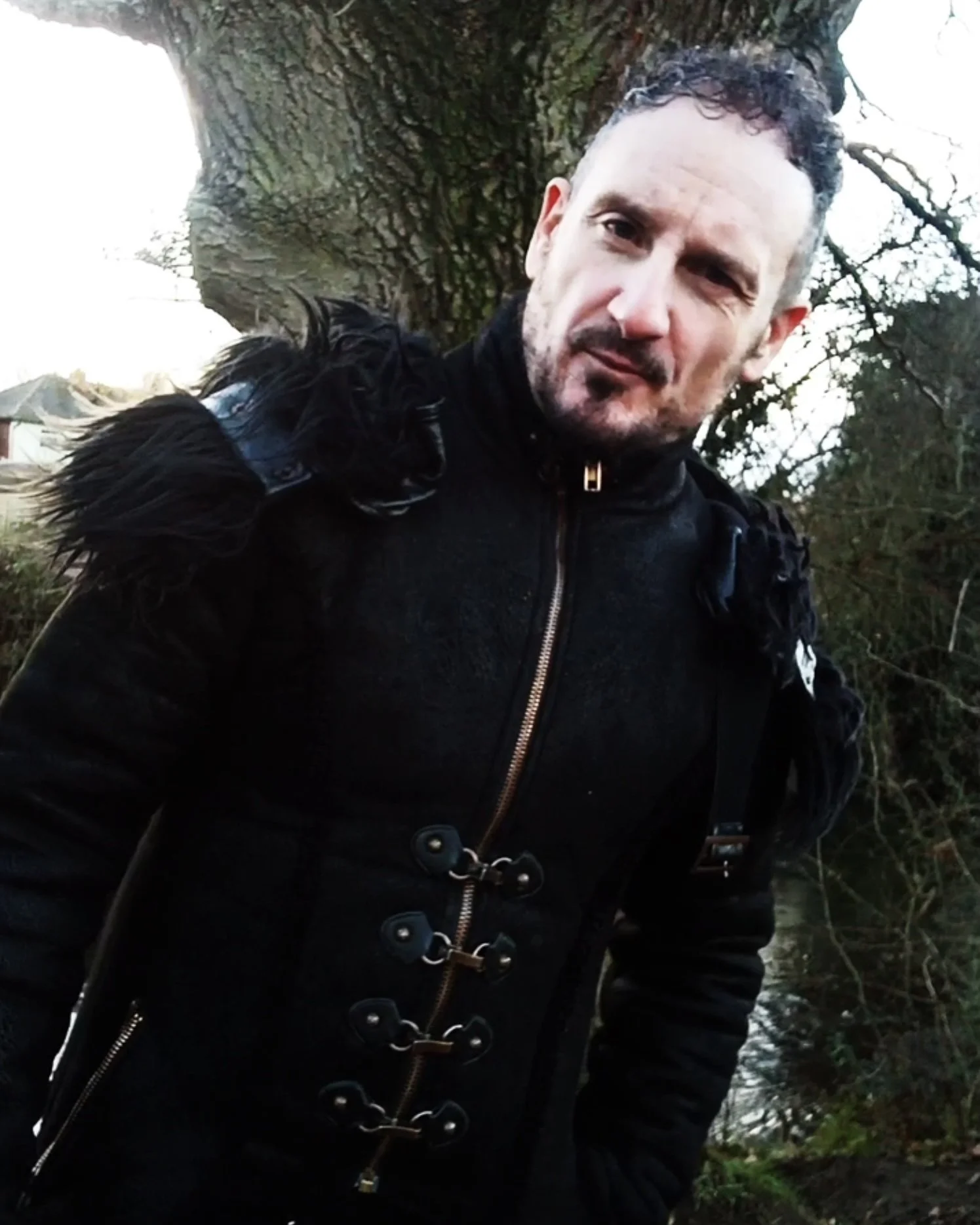
There’s a strange tension in being a creative, imaginative man in the world—especially when your imagination doesn’t arrive politely, doesn’t ask permission, and doesn’t stay within the edges people feel comfortable with.
I live very openly in my inner world. I don’t separate sensitivity from strength, or imagination from truth. Yet I’ve found myself in countless social situations where the unspoken message is the same: be more ordinary. Be safer. More predictable. Easier to place. When you’re strange, unusual, or openly eccentric, that pressure follows you everywhere—quietly at first, then relentlessly.
Being true to myself has often led to rejection. Friendships thin out. Relationships become fragile. Difference unsettles people, and unease quickly turns into judgement. This becomes even sharper when art is involved—especially visual work. Imagery carries weight. Symbolism lingers. People project fear and intent onto what they don’t understand, particularly when the work drifts into darker, mythic, or unsettling territories.
I’m deeply aware of this. Sometimes painfully so. I sense reactions before they’re spoken. Especially from rigid belief systems or cultural frameworks that fear ambiguity, shadow, or the unknown. Horror, for me, isn’t about provocation or shock. It’s about honesty—about exploring the shadow without denying the light.
Even in how I dress, this tension plays out daily. Since I began wearing clothing that reflects my inner world—darker, more symbolic, more aligned with the visual language of my work—I’ve become something people notice. Sometimes that curiosity turns into warmth and unexpected compliments. Other times it becomes laughter, mocking, or thinly veiled discomfort. You feel yourself being scanned, assessed, placed into a story that often has nothing to do with who you actually are.
For someone highly sensitive to the world around them, these shifting reactions can be overwhelming. Socialising becomes a constant negotiation—reading rooms, managing projections, absorbing atmospheres. The same trait that allows me to create deeply also leaves me exposed.
There’s also a harsher truth underneath it all. Eccentricity is tolerated differently depending on status. When you’re not affluent or privileged, strangeness is often read as instability. As having “lost the plot.” As being out of touch with reality. And yet I can’t help but notice how easily the same traits are romanticised when wrapped in wealth—how an eccentric person in a mansion becomes intriguing, while one without those buffers becomes suspect.
But my imagination doesn’t function with fences. It never has. I don’t experience creativity as something I do—it’s something that moves through me. I don’t want to quarantine my visions or divide them into what’s acceptable and what isn’t. Whether something is beautiful or brushes against darker arts, it still comes from the same place: curiosity, depth, and a desire to understand the human experience more fully.
I’ve come to trust the way my imagination moves. It has its own rhythm, and I let it unfold without trying to contain or define it. I’m comfortable allowing ideas to exist in their full range, without sorting them into what’s acceptable or not.
People respond in different ways, and that feels natural now. Over time, I’ve found those who resonate, who are at ease with curiosity and difference. That sense of recognition—quiet and mutual—is enough.